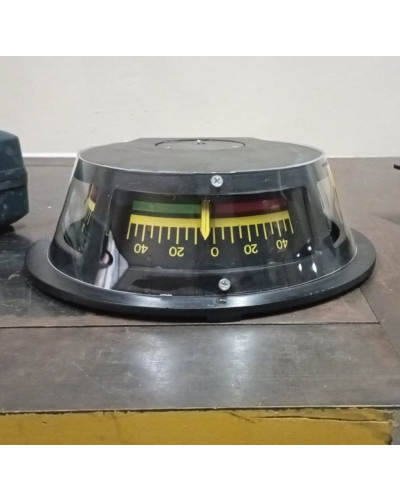
The rudder indicator is an important navigation tool used on ships. This technical device is designed to determine the ship’s rudder angle, that is, in which direction it is pointing. It is located on an instrument panel on the ship’s steering wheel and is constantly monitored by ship personnel. The rudder indicator plays a critical role in ensuring the ship maintains the desired course, safe navigation and smooth initiation of maneuvers.
From a technical detail perspective, modern rudder instruments usually determine the ship’s heading using magnetic sensors or digital compass systems. These systems continuously update the ship’s orientation by making precise measurements and transmit this information to the instrument panel in a readable format, helping the ship’s crew make the right decisions. Additionally, some rudder settings can be integrated into the autopilot, allowing the ship to be automatically tracked on its recorded route. These technical features make the steering indicator a reliable and effective tool in ship navigation.
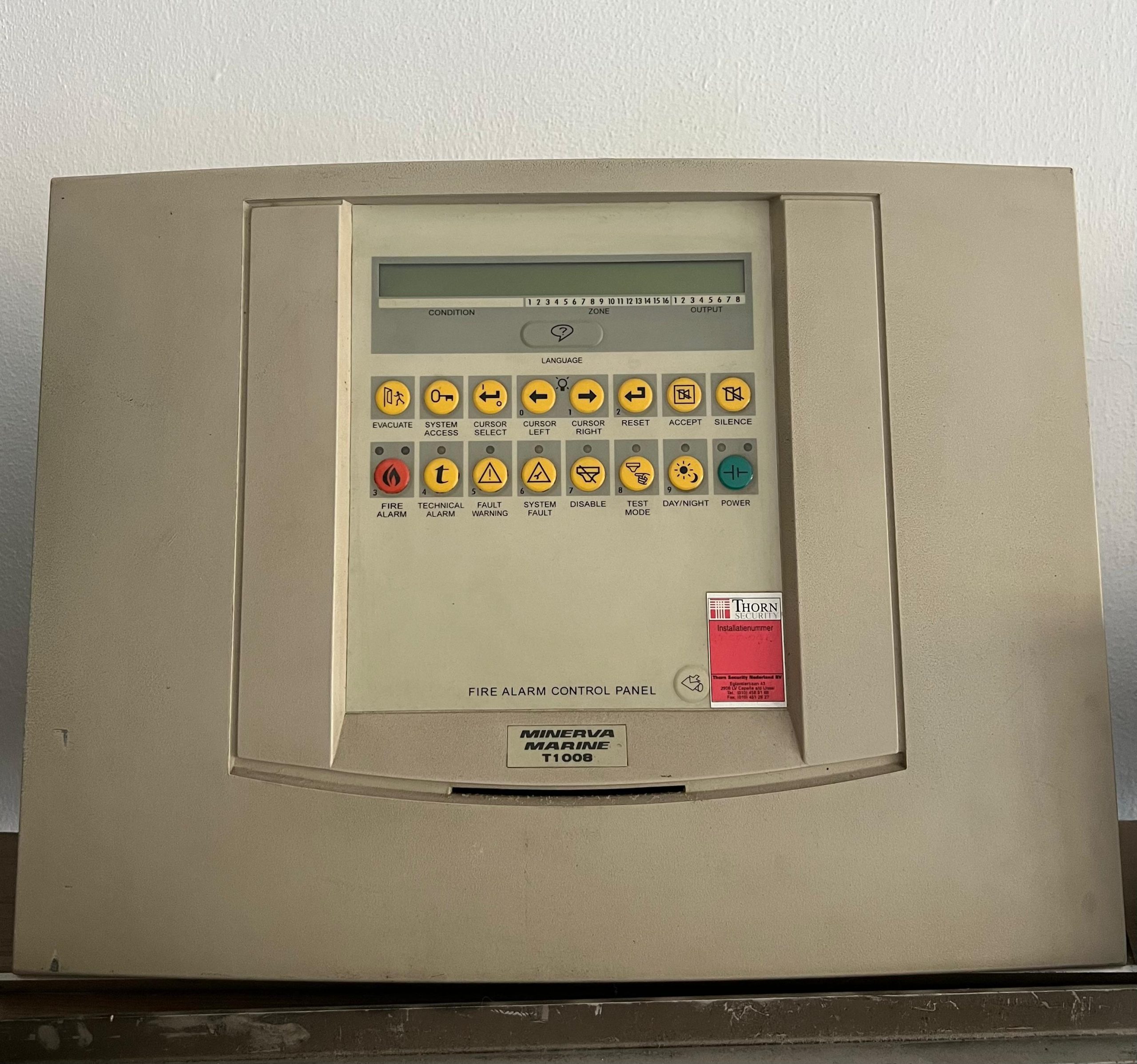
Fire Alarm System
Fire alarm systems are critical safety systems designed to detect early signs of fire risk, such as smoke, heat, or flames, on ships. These systems provide immediate alerts to the crew, enabling a quick response and ensuring maximum safety of the vessel. Fire alarm systems help prevent potential fires during ship operations and protect both personnel and cargo.
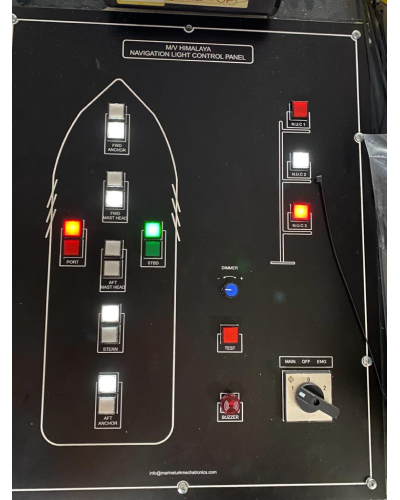
Navigaiton Light
The navigation lights panel provides instant information about the status of each light and warns the crew of any lamp errors thanks to fault detection systems. Its user-friendly interface is equipped with manual and automatic control options and supports uninterrupted and safe ship operations.
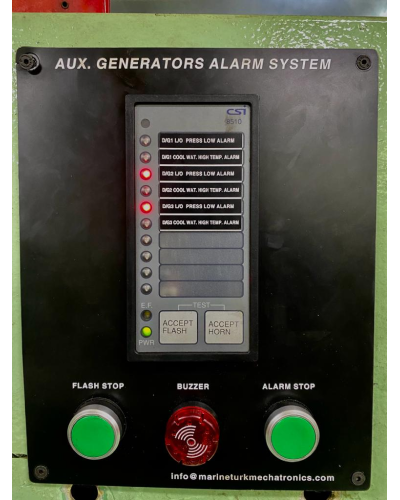
Machine Alarm System
The machine alarm monitor continuously monitors the operating condition of ship engines, detecting anomalies such as faults, excessive temperature, pressure, or oil levels, and alerts the crew. It enables quick intervention, ensuring safe and efficient operation.